
Ex-ISI Chief Faiz Hameed Sentenced to 14 Years imprisonment by Military Court
Pakistan’s former spy chief Faiz Hameed sentenced to 14 years prison for political activity and misuse of office, the military says.
 Ayesha Mir
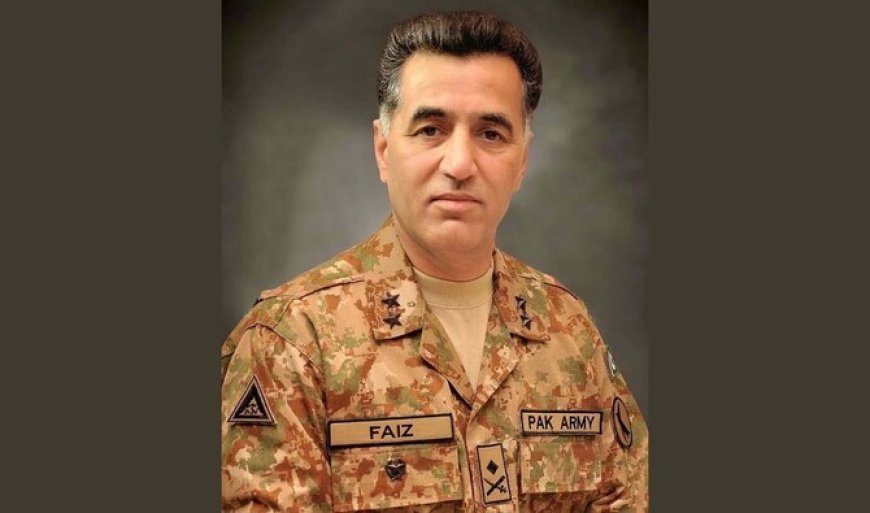
Islamabad: In a major development, a Pakistani military court on Thursday sentenced former Inter-Services Intelligence (ISI) chief Lt. Gen. (retd) Faiz Hameed to 14 years in prison, more than a year after he was first arrested for alleged misconduct, according to Express Tribune and Gulf News.
Hameed, once the country’s top spy, was tried by a Field General Court Martial under the Pakistan Army Act. The court found him guilty on four charges: political activity, violating the Official Secrets Act, misusing government resources, and causing loss to individuals. The court said the trial was “lengthy and thorough” and confirmed that Hameed had full legal rights, including his choice of lawyer.
The retired general, seen as a close ally of former Prime Minister Imran Khan, was arrested in 2024 over an internal probe linked to the Top City housing project near Islamabad. The military has not revealed the exact financial losses or who was affected.
Experts told Gulf News that the verdict sends a strong message to Pakistan’s military ranks. “Faiz Hameed was found guilty on all counts—misuse of office, breaking the Official Secrets Act, harming public interest, and political involvement,” said Islamabad analyst Syed Muhammad Ali. “It shows that no officer, retired or active, is above the law when it comes to politics.”
Hameed can still appeal the sentence. The ruling is one of the rare cases where a high-ranking former military officer has faced such a long jail term. The case has been closely managed by the military, drawing attention because of Hameed’s past influence and political connections.
The verdict comes amid ongoing tensions between the military, Prime Minister Shehbaz Sharif’s government, and Imran Khan, who has openly criticized both the army and U.S. involvement in his removal. Observers say the case could set a benchmark for holding military officials accountable in Pakistan.