Astro Tourism: Discover the Most Breathtaking Experiences of 2026
Explore the top astro tourism destinations of 2026. Discover stargazing adventures in remote deserts, high-altitude observatories, and dark sky reserves worldwide
 Admin
Admin
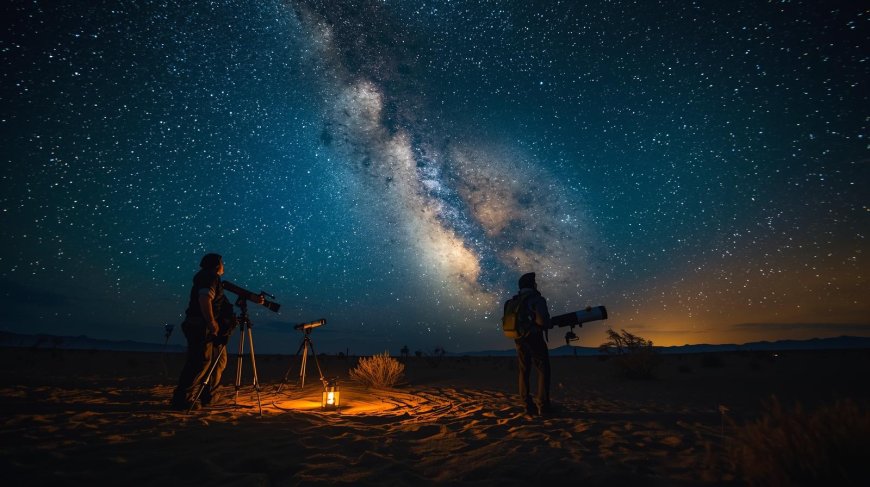
In 2026, travel is evolving beyond conventional destinations. Astro-tourism the practice of traveling to experience spectacular night skies and celestial events is becoming one of the fastest growing trends in global tourism. This type of travel offers once-in-a-lifetime experiences, from stargazing under dark skies to participating in immersive astronomy events in remote locations worldwide.
Astro tourism appeals to travelers seeking unique, awe inspiring, and meaningful experiences that connect them to the universe while exploring the beauty of our planet.
Why Astro Tourism Is Exploding in 2026
1. A Search for Wonder and Escape
Modern travelers are increasingly looking for experiences that inspire awe and create lasting memories. Dark sky destinations and astronomy focused travel provide a sense of scale, perspective, and tranquility that is hard to find in urbanized areas.
2. Dark Sky Reserves and Accessibility
Countries are now actively creating dark sky reserves, locations with minimal light pollution that allow visitors to experience the night sky in its full glory. Destinations in Chile, Namibia, Hawaii, and India have become internationally recognized for astro tourism, making these experiences more accessible than ever.
3. Unique and High-Demand Experiences
From luxury observatory lodges to guided meteor shower tours and eclipse expeditions, astro tourism has broad appeal: adventure seekers, photographers, science enthusiasts, and families alike. Social media has also contributed, with breathtaking night sky visuals inspiring a global audience to travel for celestial events.
Top Astro Tourism Destinations in 2026
Atacama Desert, Chile
The Atacama Desert is one of the world’s most iconic stargazing locations. Its high altitude, extremely low humidity, and lack of light pollution make it ideal for observing the Milky Way and distant galaxies. Travelers can visit observatories such as ALMA and Paranal for guided tours that combine scientific insight with visual spectacle.
Mauna Kea, Hawaii, USA
Mauna Kea, towering at over 13,000 feet above sea level, offers some of the clearest night skies on Earth. Visitors can enjoy professional stargazing sessions through telescopes at summit observatories. The location’s natural beauty and astronomical significance create an unforgettable experience.
Hanle, Ladakh, India
Hanle, situated at over 4,500 meters above sea level, is a high altitude dark sky reserve. Its remote location ensures minimal light pollution, allowing visitors to see the Milky Way in remarkable detail. Astro-tourism in Hanle is often combined with trekking and cultural exploration, creating a holistic adventure.
NamibRand Nature Reserve, Namibia
The NamibRand Nature Reserve is Africa’s first certified dark sky reserve. Visitors can enjoy night skies uninterrupted by artificial light, with meteor showers and galaxy views that feel almost surreal. Stargazing lodges provide comfort while preserving the natural, immersive experience.
AlUla, Saudi Arabia
AlUla combines historical landscapes with dark desert skies. Tourists experience stargazing alongside ancient ruins and cultural storytelling. This integration of history, culture, and celestial exploration makes AlUla a unique destination for 2026.
Planning Your Astro Tourism Trip
1. Choose the Right Destination
Select locations with high elevation, dry climate, and low light pollution. Consider dark sky reserves and places that offer professional guides or observatories.
2. Time Your Visit with Celestial Events
For maximum impact, plan trips around meteor showers, lunar eclipses, or solar eclipses. These events create unforgettable experiences and provide excellent photography opportunities.
3. Bring Proper Gear
A telescope or quality binoculars can enhance the experience. Many guided tours provide professional equipment and expert astronomers to explain the night sky.
4. Combine Culture and Adventure
Many astro tourism destinations pair stargazing with trekking, desert safaris, or local cultural experiences. This adds depth to the journey and creates a well rounded travel experience.
The Future of Astro Tourism
Astro tourism is more than a fleeting trend it is transforming the way people travel in 2026. By prioritizing experiential and transformative journeys, it offers a connection to nature, science, and the cosmos that conventional travel cannot match. With increasing global awareness of dark sky conservation and unique celestial experiences, astro-tourism is poised to remain one of the most desirable travel trends for years to come.