Iran Protests Enter Second Week as Anger Grows Over Rising Prices
Protests over high living costs spread across Iran for a second week, with clashes reported and at least 12 people killed.
 Abdul Raheem Qaisar
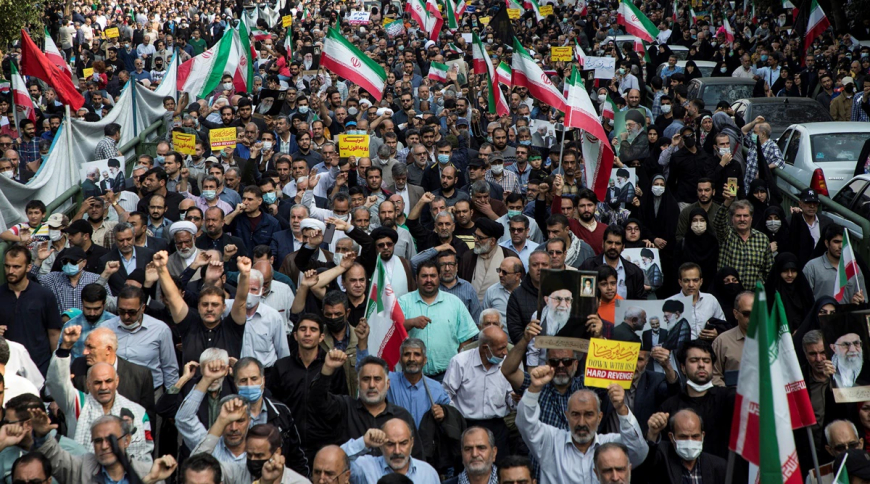
Protests across Iran have entered their second week, as public anger over rising prices and economic hardship continues to spill onto the streets. At least 12 people, including members of the security forces, have been killed since demonstrations began on December 28, according to rights groups and media reports.
The protests first started with a strike by shopkeepers at Tehran’s Grand Bazaar, a powerful symbol of economic frustration. Since then, demonstrations have spread to many parts of the country, including Tehran, Shiraz, and several western regions. Students, workers, traders and ordinary citizens have joined rallies, demanding relief from inflation and poor living conditions, Tribune reported.
According to rights monitors cited by Dawn, protests have now been recorded in more than 20 provinces, showing how widespread the unrest has become. Protesters were heard chanting slogans against Iran’s leadership, reflecting deep frustration with the political system as well as the economy.
Clashes and Arrests
Violent clashes have been reported in several areas. Human rights groups say security forces opened fire on protesters in Malekshahi county in Ilam province, killing several people. Many of those killed are believed to be from ethnic minority communities, including Kurds and Lurs. Dozens of people have reportedly been injured, while hundreds have been detained during crackdowns.
Observers say the scale of the current protests makes them the largest since the 2022–23 demonstrations, which erupted after the death of Mahsa Amini and focused on social freedoms and state control.
Economy at the Center
The driving force behind the protests is Iran’s worsening economy. The national currency has sharply lost value, prices of food and housing have surged, and wages have failed to keep up. For many families, daily expenses have become impossible to manage, according to Dawn.
In response, the government announced a small monthly cash credit of around $7 per person for four months, hoping to reduce pressure on households. Critics, however, say the amount is far from enough.
Political Pressure Builds
The unrest poses a serious challenge for Supreme Leader Ayatollah Ali Khamenei, who has ruled Iran since 1989. While officials have called for calm and blamed foreign interference, frustration among citizens remains high.
For now, protests continue, driven by economic pain and growing public anger, with no clear sign that tensions will ease soon.
Stay updated with the latest news here.