
Pakistan Appoints Asim Munir as First-ever Chief of Defence Forces
Pakistan appoints Asim Munir as its first Chief of Defence Forces, centralising army, navy and air force leadership.
 Ayesha Mir
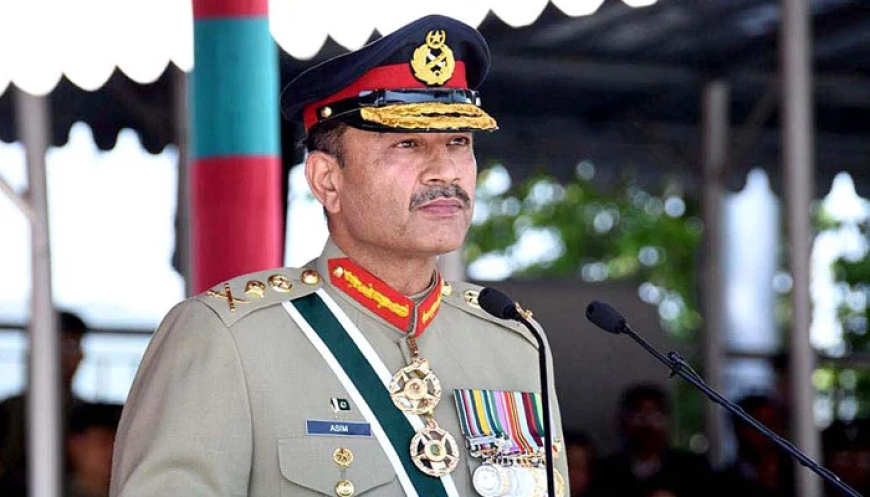
The appointment, approved on Thursday by Asif Ali Zardari after a formal summary from Prime Minister Shehbaz Sharif, marks a major reorganisation of Pakistan’s military hierarchy. (Gulf News)
Unified Command Structure
Under the recently passed 27th Constitutional Amendment, the longstanding post of Chairman of the Joint Chiefs of Staff Committee (CJCSC) has been abolished. In its place, the new CDF role has been created — with the army chief automatically holding the CDF title.
Asim Munir will now hold the dual titles of COAS and CDF for a five-year term, resetting his tenure from the date of notification.
Air Force Leadership Extended
Alongside the CDF appointment, President Zardari also approved a two-year extension for Zaheer Ahmed Babar Sidhu as Chief of Air Staff, ensuring the Pakistan Air Force retains steady leadership during this transition.
Government’s Rationale
According to a statement from the Prime Minister’s Office, the unified COAS-cum-CDF structure is designed to meet “contemporary and modern warfare requirements” and bolster the armed forces’ ability to coordinate and respond effectively. (Dawn)
Shortly after the appointment, Asim Munir told journalists that “everything is fine… and from here onwards, Pakistan will soar to greater heights.”
What It Means
This consolidation of command represents the biggest shake-up in Pakistan’s defence leadership since the 1970s. By placing army, navy and air force under a single top uniformed official, the government aims to streamline decision-making, strengthen coordination, and bring greater strategic unity across the services.
At the same time, the changes raise profound questions about checks and balances and civil-military relations, as the CDF now wields unprecedented authority over the entire armed forces.
As the new structure takes effect, all eyes will be on how this unified command impacts Pakistan’s defence posture and the future shape of both its military and political power dynamics.