Pakistan Launches First Chromebook Assembly Line with Google
Pakistan inaugurates its first local Chromebook assembly line in partnership with Google to boost local production, job creation, and digital growth
 Israr Ahmed
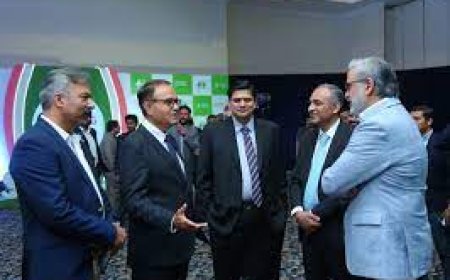
Pakistan has taken a major leap toward becoming a digital manufacturing hub with the launch of its first local assembly line for Google Chromebooks. The initiative, inaugurated by Deputy Prime Minister and Foreign Minister Ishaq Dar, reflects a growing push to localize technology production and strengthen Pakistan’s role in the global tech ecosystem.
A Landmark in Local Tech Production
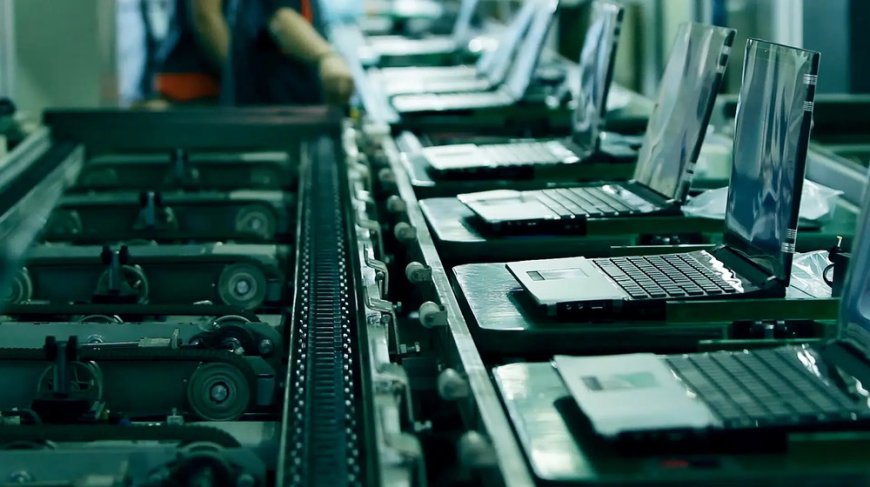
The new assembly line, set up under a collaboration between the Government of Pakistan and Google, will allow Chromebooks lightweight laptops powered by Google’s ChromeOS to be assembled domestically rather than imported fully built.
Officials said this move will reduce costs, create new skilled jobs, and support Pakistan’s vision for a “Digital Pakistan.”
At the launch event in Islamabad, Ishaq Dar called the project “a milestone that proves Pakistan’s readiness to enter the global tech manufacturing chain.” He emphasized that the government aims to encourage similar partnerships that can “open new doors for exports and youth employment.”
What Makes This Step Significant
Until now, most Chromebooks available in Pakistan were imported at high prices due to taxes, shipping, and supply limitations. With this facility, local assembly means:
-
Lower retail prices for consumers, especially students and educators.
-
Faster availability and maintenance through local supply chains.
-
More job opportunities in assembly, logistics, and software integration.
-
New learning programs connected with Google’s digital-skills initiatives.
According to officials, this development aligns with Google’s ongoing programs in Pakistan, which include training 100,000 developers and expanding access to AI-powered education and public safety tools.
Economic & Educational Impact
The local Chromebook production is expected to have twofold benefits supporting the education sector while driving the country’s emerging electronics industry. Schools and universities could soon have access to affordable digital learning devices produced within Pakistan.
Moreover, by developing a foundation for assembling advanced hardware, Pakistan moves closer to becoming a regional hub for tech manufacturing, paving the way for export-grade production in the near future.
The government has hinted at providing policy support and incentives to attract more global partners interested in manufacturing and assembling technology in Pakistan.
Tech experts see the Chromebook assembly as an early but promising example of public-private collaboration, showing that Pakistan can go beyond being a consumer market and start creating value locally.
A New Chapter for Pakistan’s Tech Industry
The launch of the Chromebook assembly line doesn’t just mark an industrial milestone it’s a symbol of technological confidence. By partnering with a global brand like Google, Pakistan signals its readiness to innovate, produce, and compete in the fast-growing digital economy.
If successful, this initiative could redefine Pakistan’s place on the technology map from importing devices to building them at home.
For more udpates visit , Nation bytes