Pakistan Hosts Regional Ministers to Push End to Iran War
Ishaq Dar leads high-stakes talks with Saudi, Turkish, and Egyptian officials to broker a diplomatic exit from the escalating Iran conflict.
 Abdul Raheem Qaisar
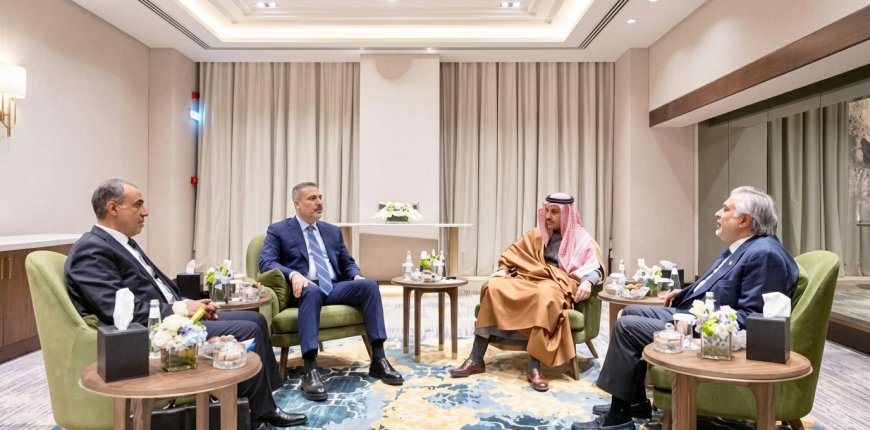
Foreign Minister Ishaq Dar wrapped up a marathon diplomatic session in Islamabad today, sitting down with top officials from Saudi Arabia, Turkey, and Egypt to carve out a peace deal for the Iran war, reported by The Express Tribune. The four countries are pushing hard for a ceasefire, with Dar revealing that both Washington and Tehran have signaled they are finally ready for structured negotiations on Pakistani soil. This latest development marks a massive shift, as Pakistan steps up as the primary neutral mediator to stop a full-scale regional collapse.
The specifics of the meeting highlight a rare moment of regional consensus among the four Muslim powerhouses. Sources close to the talks say the ministers spent hours drafting a de-escalation roadmap focused on securing the Strait of Hormuz, where Iran has already agreed to let 20 Pakistan-flagged vessels pass as a show of good faith. While the atmosphere in Islamabad was optimistic, the Iranian Parliament Speaker issued a stern warning from Tehran, making it clear they won’t accept any "humiliating" terms. Meanwhile, Ishaq Dar is already preparing to take this plan to Beijing tomorrow to get China’s full backing for the Islamabad Track.
This diplomatic push comes at a critical time, as the region has been on a knife-edge following months of missile exchanges and maritime instability. Historically, Turkey and Qatar usually handle these heavy-lifting negotiations, but the shift to Islamabad shows how much the "Western-Iranian" bridge has moved toward South Asia. Pakistan’s long-standing security ties with the Gulf and its working relationship with the U.S. have turned it into the only "hotline" left that both sides actually trust.
Looking ahead, the next forty-eight hours are make-or-break for the peace initiative. If Dar can secure a firm date for the direct talks between U.S. and Iranian envoys, we could see a massive cooling of tensions across the Middle East. However, if hardliners in Tehran or Washington balk at the proposed maritime concessions, the conflict could easily spill back into the shipping lanes. For now, the world is watching Islamabad to see if this meeting can actually deliver a permanent ceasefire.
Stay updated with the latest news here.