Pakistan to enter 2026 as fifth-most populous country
Pakistan’s population crosses 241 million, raising urgent questions about planning, growth and sustainability.
 Abdul Raheem Qaisar
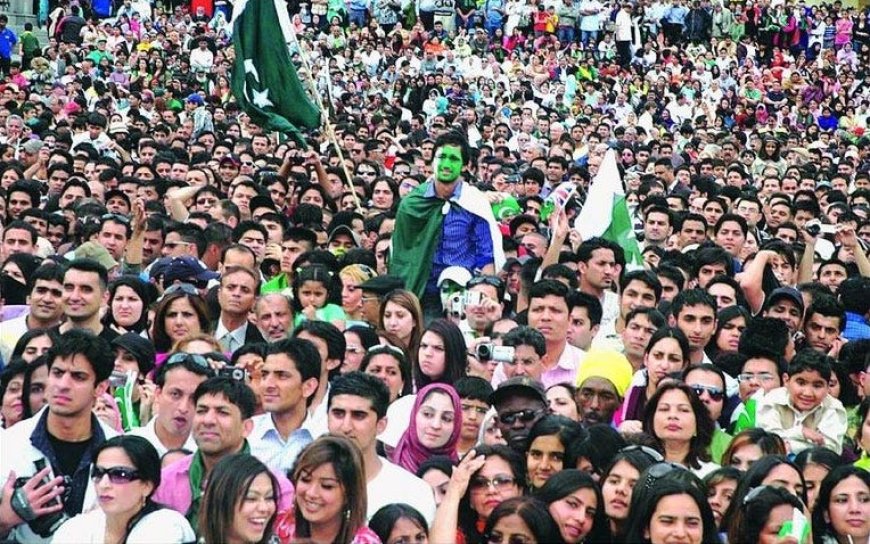
ISLAMABAD — Pakistan is heading into 2026 as the fifth most populous country in the world, with its population reaching 241.49 million, according to the latest digital census findings and international estimates. The milestone places Pakistan behind China, India, the United States and Indonesia, and adds fresh urgency to long-standing debates around development, services and governance.
According to figures cited by Business Recorder, Pakistan’s population has been growing at an annual rate of 2.55 per cent, one of the fastest in South Asia. The new numbers show Punjab remains the country’s largest province with about 127.7 million people, followed by Sindh, Khyber Pakhtunkhwa, Balochistan and Islamabad Capital Territory. Karachi continues to dominate as Pakistan’s biggest city, with a population exceeding 20 million.
While the ranking underscores Pakistan’s demographic weight, experts say the numbers also expose deep structural challenges. Dawn reported that the United Nations Population Fund (UNFPA) has urged Pakistan to treat population growth as a development issue rather than a statistical achievement, warning that unchecked expansion strains health systems, education, housing and climate resilience.
UNFPA highlighted persistent concerns including high maternal mortality, unmet family planning needs, early marriages and gender-based violence, noting that these factors continue to slow progress toward sustainable population management. The agency stressed the need for integrated policies that link population planning with women’s empowerment and economic inclusion.
At the same time, officials point to Pakistan’s youth-heavy population as a potential advantage. Census data show a large proportion of citizens are under 40, creating what economists call a “demographic window” — one that could boost growth if matched with jobs, skills training and investment.
Analysts caution, however, that without rapid reforms, the youth bulge could turn into a liability. Schools, hospitals and cities are already under pressure, and climate shocks are compounding the strain.
As Pakistan enters 2026, the message is clear: population size alone does not define strength, policy choices do. How the country manages its growing numbers may shape its future more than the ranking itself.
Stay updated with the latest news here.