
Punjab’s Toxic Smog Crisis: Millions Sick, Fatal Crashes Spike
Dangerous winter smog blankets Punjab, making millions sick and causing deadly road accidents.
 Abdul Raheem Qaisar
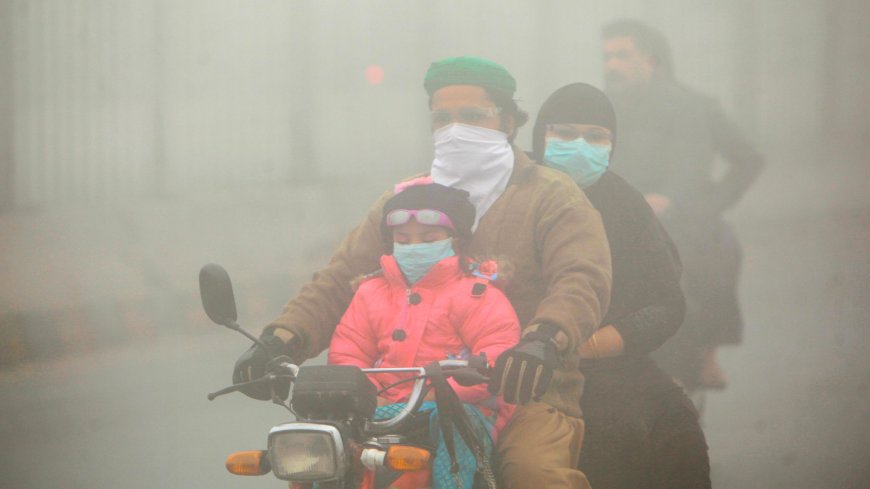
Punjab is facing one of its worst smog crises in recent years, with more than 20 million people falling ill and at least nine deaths reported in smog-related road accidents. Thick, toxic air has covered large parts of the province, turning daily life into a health risk and roads into death traps. According to The Express Tribune, hospitals across Punjab are struggling to cope with the rising number of patients linked to smog exposure.
Major cities including Lahore, Faisalabad, Multan, Rawalpindi and Gujranwala have been hit hard. Emergency rooms are packed with people suffering from breathing problems, asthma attacks, chest infections, eye irritation and sore throats. Lahore alone recorded over 600,000 hospital visits related to smog-caused illnesses this season, health officials said.
Doctors warn that children, elderly people, outdoor workers and those with heart or lung disease are most at risk. Long exposure to polluted air, especially fine particles known as PM2.5, can lead to serious long-term health damage, including chronic lung and heart conditions.
Smog Turns Roads Deadly
Beyond health problems, smog has also caused deadly traffic accidents. Dawn reported that poor visibility led to several crashes across Sahiwal, Pakpattan, Okara and Toba Tek Singh, killing at least nine people and injuring over 30 others.
In one major accident, a passenger van crashed into a wrongly parked tractor-trolley and was then hit by a speeding mini-bus, killing several passengers. In other incidents, motorcycles and cars slammed into slow-moving vehicles they could not see due to dense fog-like smog. A nine-year-old child and an elderly woman were among the victims.
Government Steps and Warnings
The Punjab government has taken temporary emergency steps, including closing schools, limiting market hours, shutting down some factories and restricting traffic movement. Authorities have also advised people to stay indoors, wear masks and avoid unnecessary travel.
However, experts say these actions are only short-term fixes. Environmental specialists stress the need for strict control on factory emissions, cleaner fuels, better public transport and action against crop burning to stop the smog from returning every winter.
As the crisis continues, Punjab’s smog has become more than just bad weather — it is now a public health and safety emergency demanding long-term solutions.
Stay updated with the latest news here.