
Scam Messages Offer Ships Safe Transit Through Hormuz
Greek maritime security firm MARISKS has warned shipowners of urgent scam messages demanding cryptocurrency payments.
 Abdul Raheem Qaisar
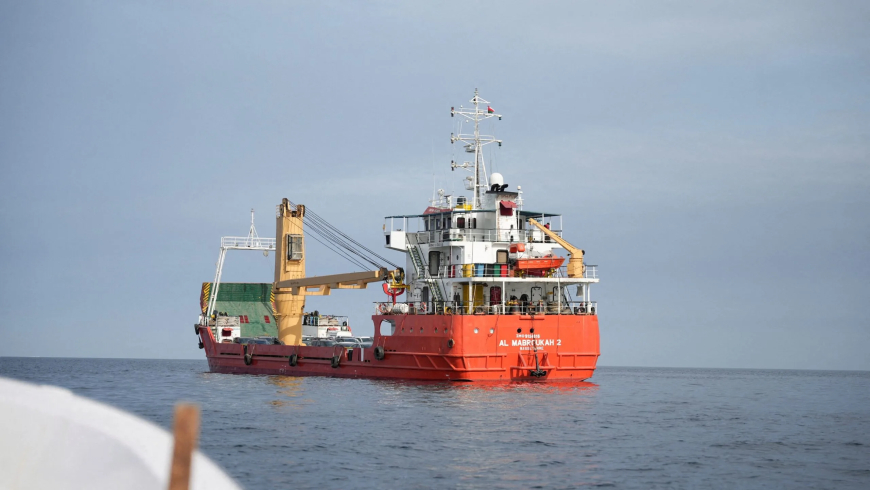
Greek maritime security firm MARISKS has warned shipowners of urgent scam messages demanding cryptocurrency payments from vessels stuck west of the Strait of Hormuz, with fraudsters posing as Iranian officials to promise fake clearance.
The latest developments broke on Monday when MARISKS issued a sharp alert to the shipping industry and the story spread quickly through Reuters and other outlets on Tuesday. Fraudsters have been targeting companies whose ships are stranded just west of the Strait of Hormuz, sending unsolicited messages that claim to come directly from Iranian authorities. The scammers demand payment in Bitcoin or Tether to guarantee “safe transit” or “official clearance” through the narrow waterway. MARISKS made it crystal clear that the messages are completely fake and have no link to any Iranian government body. Shipping sources say the timing lines up with current regional tensions that have left several vessels waiting for passage, creating the perfect opening for this kind of quick-hit fraud.
The scam follows a simple but effective pattern that has rattled maritime risk managers. Messages arrive without warning, often via email or messaging apps, and press ship operators for immediate crypto transfers to unlock passage. The amounts vary but are usually substantial enough to sound official yet small enough to seem like a routine fee. MARISKS stressed that legitimate Iranian clearance does not work this way and urged companies to ignore the demands and verify everything through proper diplomatic or port channels. The warning comes at a moment when the Strait of Hormuz is already under close watch because of broader security worries in the Gulf, leaving crews and owners on edge about any unexpected contact.
The Strait of Hormuz has long been a hotspot for trouble in global shipping. For years, the narrow passage has carried nearly a fifth of the world’s oil trade, making it a constant target for political friction between Iran and its neighbours. Past incidents include Iran’s seizure of foreign tankers during heightened tensions and a string of smaller maritime fraud cases where fake agents offered everything from escort services to forged documents. Similar phishing attempts have surfaced before in the Red Sea and Gulf of Aden, especially when real threats like drone attacks or blockades slow down traffic and leave ships vulnerable.
What happens next will be watched closely by the entire shipping world. Companies are expected to tighten internal checks and train crews to report every suspicious message straight away. If the scams keep coming, they could raise insurance costs and slow trade through the chokepoint even more. According to some experts, the recent situation may encourage ports and governments to establish better real-time verification systems. Only time will determine if this occurrence will intensify existing protective measures within the industry or if it will simply pass away until another intelligent fraudster finds an opportunity in the waves that cause distress.
Stay updated with the latest news here.