
The Peace Broker’s Gambit
Pakistan’s proactive shuttle diplomacy has successfully brokered a critical ceasefire, repositioning Islamabad as a central stabilizer in the region.
 Abdul Raheem Qaisar
“Diplomacy is the art of letting others have your way, but only after you have made sure they need you to get it.”
Back in 1988, Pakistan stood shoulder to shoulder with superpowers as the Geneva Accords brought the Soviet withdrawal from Afghanistan to a close. Islamabad had hosted millions of refugees, kept supply lines open, and quietly shaped the talks that ended a decade of bloodshed. That moment showed the world what Pakistan could achieve when it mixed self-interest with shrewd mediation.
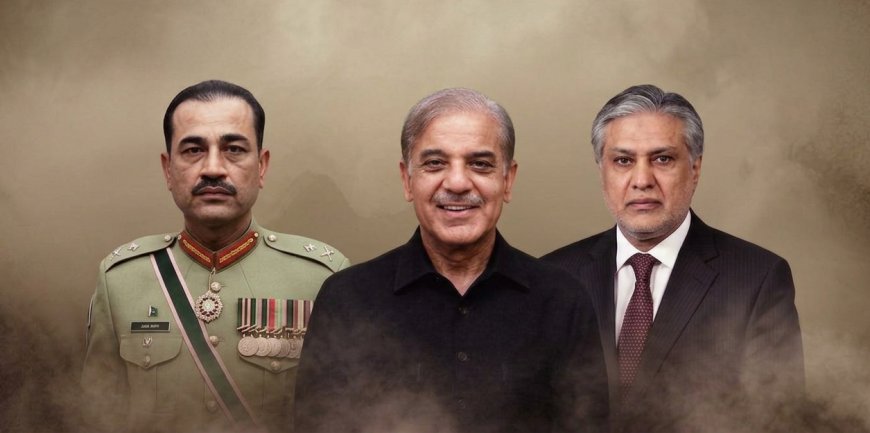
Fast forward to April 2026, and the same playbook is working again. With President Trump’s deadline for Iran ticking down and the Strait of Hormuz closed tight, Islamabad stepped in at the last hour. Prime Minister Shehbaz Sharif publicly urged a two-week pause. Army Chief Asim Munir burned the midnight oil on back-channel calls to both sides. The result was a quick truce that halted strikes and opened the waterway for safe passage.
The current scenario feels almost scripted. Iran agreed to conditional reopening of the strait. The United States suspended bombing for fourteen days. Talks are now scheduled in Islamabad itself. What looked like certain escalation turned into a breathing space because Pakistan refused to sit on the sidelines.
This is not passive neutrality. It is Pakistan's Aggressive Diplomacy in action, proactive, urgent, and backed by real leverage.
Pakistan’s last-minute intervention prevented what could have become a wider regional explosion. It is reported that Sharif’s public appeal on X and Munir’s direct contacts with Washington and Tehran created the only viable off-ramp available at that hour.
Both sides credited Islamabad for the breakthrough, calling the two-week extension “a rare diplomatic success in a conflict that had already disrupted global oil flows.”
Pakistan has skin in this game. The Hormuz blockade threatened its own energy imports and export revenues. By pushing for de-escalation, Islamabad protected its economy while raising its international profile.
Critics at home may call it risky. Yet the facts speak louder. In weeks when direct US-Iran talks had collapsed, Pakistan’s channels stayed open. Asim Munir delivered the private assurances that made it stick. Together they turned potential disaster into a window for talks.
This episode also highlights a larger shift. For too long Pakistan was seen as reactive in foreign policy. The US-Iran Ceasefire effort shows a willingness to seize the moment. It is assertive without being reckless, exactly the kind of Pakistan's Diplomacy that middle powers need to survive in a multipolar world.
Of course risks remain. If the coming Islamabad talks collapse, fingers could point back at the host. A fragile truce can unravel fast if either side tests the limits on the strait. Yet even a short pause has already lowered oil prices and given markets a sigh of relief. Pakistan gains something harder to measure too, credibility. When the next crisis hits, whether in Afghanistan, the Gulf or beyond, leaders in Washington and Tehran will remember who stepped up this time.
History rarely gives second chances in real time. The 1988 Geneva success helped define Pakistan’s role for a generation. The 2026 Strait of Hormuz pause could do the same if the follow-through is handled with equal skill.
That is the quiet power of a nation that refuses to be ignored.