
U.S. Faces Critical Missile Shortfall
The arrival of generative tools marks a decisive crossroads for the nation’s workforce, where silence is no longer an option for survival.
 Abdul Raheem Qaisar
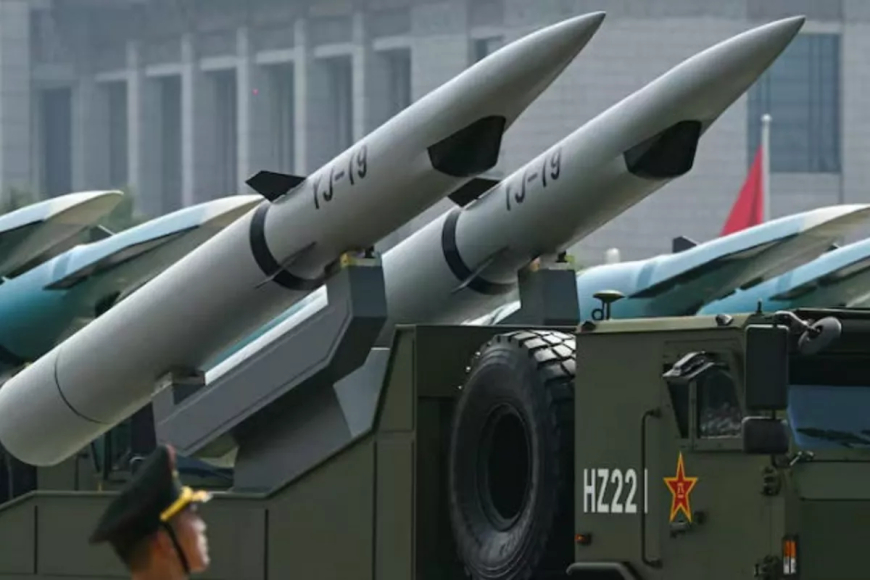
The latest developments hit the headlines on Tuesday when CNN broke the story based on a fresh Center for Strategic and International Studies report and three sources close to Pentagon stockpile numbers. The US military burned through at least 45 percent of its Precision Strike Missiles and nearly half its THAAD and Patriot interceptors in just seven weeks of action against Iran. The report highlights an imminent risk of shortages, particularly with long-range weapons such as `Tomahawk' which has fallen by approximately 20-30%. Officials believe that the drawdown has occurred significantly quicker than anticipated due to rapid pace of demand for air and missile defence in the Gulf region. Defense experts called it a wake-up call for readiness against any sudden new fight.
The details paint a worrying picture for high-end munitions. Precision-guided systems and air-defense interceptors took the biggest hits because they were used heavily to counter Iranian ballistic missiles and drones. The CSIS study lines up with classified Pentagon data and warns that stocks are now too low for a major new high-intensity conflict, particularly against a near-peer adversary such as China. Rebuilding inventories to safe levels could take one to four years, even with factories running flat out. Production lines for these complex weapons remain slow and costly, and the report stresses that current levels simply cannot support two big fights at once without tough choices on rationing supplies.
Concerns about US missile supplies are not new. Stockpiles have been under pressure for years from steady aid to Ukraine, quick resupply runs for Israel during its 2025 exchanges with Iran, and repeated warnings from think tanks like the Heritage Foundation. Previous research has indicated that even a small conflict in the Pacific might result in significant long-range stock market losses within days or weeks; however, Congress has requested larger production budgets from the federal government to address shortages and increase production levels. Unfortunately, both delays caused by supply chain issues and rising production costs have hampered efforts to achieve the desired level of production. The Iran campaign appears to have pushed several categories past a danger line that planners had hoped to avoid.
What happens next could reshape American defense planning for years. The Department of Defense plans to accelerate procurement of weapons from contractors and approach Congress for additional appropriations for replenishment of depleted stockpiles. In the event of another escalation of hostilities in either the Middle East or Asia, commanders may experience a necessity to stretch existing inventories or implement delays in conducting certain operations. According to experts, the current environment may compel more difficult evaluations of partnerships and provide an opportunity for the military to reassess its strategies for fighting wars in the future. It remains to be seen whether these new warnings will lead to substantive changes or will disappear until another event occurs that illustrates the limits of military capability.
Stay updated with the latest news here.