
What Anxiety Does to Your Body—and How to Calm It
Learn how anxiety affects your bodyfrom heart and digestion to sleep and immunity and discover practical ways to calm your nervous system naturally.
 Admin
Admin
What Anxiety Does to Your Body—and How to Calm It
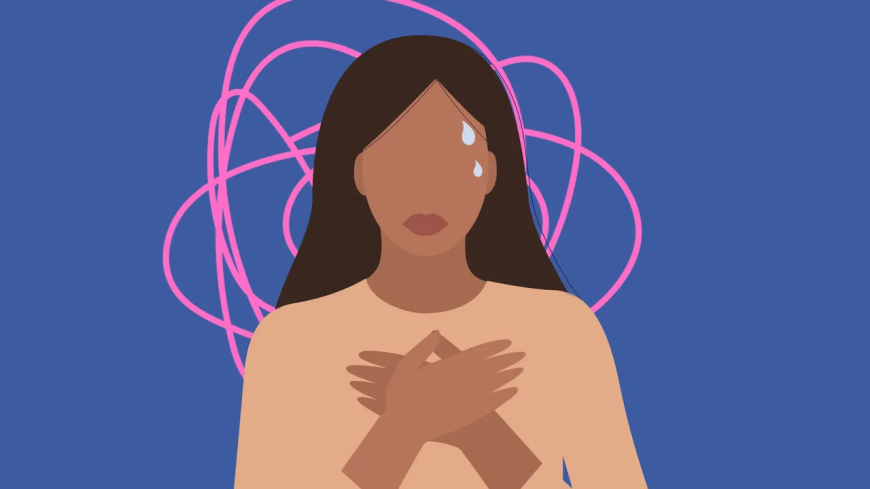
Anxiety isn’t “just in your head.” It can show up in your chest, stomach, muscles, skin, sleep, and energy levels. If you’ve ever felt your heart race before a test, your stomach twist before an important meeting, or your breathing get shallow when you’re worried, you’ve already experienced how strongly the mind and body are connected.
According to the World Health Organization (WHO), anxiety disorders are the most common mental disorders worldwide, affecting 359 million people in 2021. WHO also notes that women are affected more often than men, and symptoms often begin in childhood or adolescence. The good news is that effective treatments exist but there’s still a major gap in care, with only about 1 in 4 people with anxiety disorders receiving treatment.
In this article, we’ll break down what anxiety is, why it causes physical symptoms, how it affects different body systems, and what you can do to calm your body down in a practical, realistic way.
What is Anxiety?
Anxiety is your body’s alarm system. It is a natural response of your body to perceived stress or danger. When your brain thinks something is dangerous (even if it’s not truly dangerous), it activates a survival response often called “fight-or-flight.” This response is meant to protect you. It prepares your body to run, defend itself, or stay alert.
In short bursts, this is normal and even helpful. But when anxiety is frequent, intense, or ongoing, your body can start to feel like it’s stuck in “high alert.” Anxiety disorders involve intense, excessive fear/worry that’s hard to control and often comes with physical tension and other symptoms that affect daily life.
Why anxiety causes physical symptoms: the “fight-or-flight” chain reaction
The brain activates the nervous system, particularly the sympathetic nervous system, when anxiety is triggered. It then prepares the body to react. It may result in increased heart rate, sweating, trembling, and tight muscles. (NCBI)
Simultaneously, stress hormones and chemicals rise, including:
-
Adrenaline (epinephrine): boosts heart rate and energy
-
Cortisol: helps keep you alert and fueled, especially if stress continues
This response affects nearly every system: cardiovascular, respiratory, digestive, muscular, immune, and more.
Effects of Anxiety
1) Brain and Nervous System
When you are anxious, your brain enters a state of high alertness where it is constantly scanning for threats if there aren't any. Common effects include:
-
Racing thoughts
-
Feeling constantly on edge
-
Difficulty in concentrating
-
Feeling overwhelmed by simple tasks
These effects are linked to stress-related chemicals like norepinephrine and serotonin, and the body’s stress-response wiring.
What it feels like: “I can’t shut my brain off” or "My mind won't rest"
2) Heart and circulation: palpitations and chest tightness
One of the most common symptoms of anxiety is increased heart rate. When you feel anxious, you may feel your heart racing, pounding, or beating irregularly. Because these sensations occur in the chest, it can scare you and you may think something is seriously wrong.
Even though these feelings are due to anxiety, chest pain should always be taken seriously. If you feel dizzy and have trouble breathing, seek medical help immediately.
What it feels like: “My heart is racing and I can’t relax.”
3) Breathing: shortness of breath and hyperventilation
When the body senses danger, it may cause you to breathe faster as f it needs more oxygen. It can be a very uncomfortable feeling to deal with. It can look like:
-
Rapid breathing (hyperventilation)
-
Feeling like you can’t take a deep breath
-
Tight throat sensation/ Feeling a lump in your throat
What it feels like: “I can’t get enough air, even though I’m fine.” or "I feel like I can't catch my breath"
4) Digestive system
Anxiety does not just affect your mental health; it also has a significant impact on your physical health. As your gut is connected to your nervous system, so when anxiety kicks in, it can shift blood flow away from digestion and disrupt your normal gut activity. This can lead to:
-
Nausea
-
Stomach pain or “butterflies”
-
Bloating
-
Diarrhea or constipation
-
Appetite changes
What it feels like: “My digestion feels off when I’m anxious”
5) Muscles: tension, aches, headaches, jaw tightness
When your anxiety is triggered, your muscles are tightened to protect you. Over time, this can cause:
-
Neck and shoulder tightness
-
Jaw clenching
-
Tension headaches
-
General body aches
Muscle tension is also part of diagnostic symptom lists used clinically for anxiety-related conditions.
What it feels like: “My muscles never fully relax”
6) Sleep and energy: insomnia and fatigue
When you are anxious, your brain stays alert to protect you, which may result in:
-
Trouble falling asleep
-
Waking up often
-
Not feeling rested
-
Daytime fatigue
What it feels like: “I’m exhausted, but my mind won’t stop.”
7) Immune system: getting run down more easily
Stress can sometimes be helpful if it's short-term. But, if you are constantly in the state of stress, it can take a toll on your body. You may feel drained and tired all the time. Many people notice:
-
Constant fatigue
-
Getting sick more often
-
Slower recovery from illness
What it feels like:“I’m always tired and seem to catch everything.”
8) Hormones (HPA axis): cortisol and long-term stress load
One of the main systems involved in anxiety is the HPA axis, which helps control the body’s release of cortisol, the primary stress hormone. When anxiety is ongoing, this system can stay activated longer than it should. Cortisol plays a role in:
-
Energy levels
-
Sleep–wake cycles
-
Appetite regulation
-
The body’s ability to recover from stress
What it feels like:“My body never fully resets—I’m always in stress mode.”
9) Skin and sweating: hot flashes, clammy hands, flare-ups
Anxiety can trigger changes in body temperature and sweating. When the stress response is active, you may experience:
-
Excessive sweating
-
Feeling suddenly hot or flushed
-
Occasional cold or heat sensations
Some people also notice skin becoming more sensitive or irritated during stressful periods, though this varies from person to person.
What it feels like:“My hands get sweaty and I suddenly feel overheated.”
How to Tell if Anxiety Is Becoming a Problem
Everyone gets anxious sometimes. Anxiety may be becoming a bigger issue when it:
-
Lasts for weeks/months
-
Feels hard to control most days
-
Causes strong physical symptoms often
-
Leads to avoidance (you stop doing normal life activities)
-
Affects sleep, work/school, relationships, or health
Anxiety disorders can significantly interfere with daily functioning.
Ways to Help Your Body Settle During Anxiety
You don’t have to “think your way out” of anxiety first. Often, the fastest progress comes from calming the body so the mind can follow.
1) Slow breathing
Try this for 2–3 minutes:
-
Inhale through the nose for 4 seconds
-
Exhale slowly for 6 seconds
Longer exhales help signal safety to your nervous system.
2) Release muscle tension
-
Unclench your jaw
-
Drop your shoulders
-
Try “tense and release” (tighten muscles for 5 seconds, release for 10)
3) Move your body
Walking, light cardio, or strength training can help burn off stress activation and improve sleep.
4) Avoid caffeine
If anxiety symptoms include racing heart or shakiness, caffeine can amplify them for many people.
5) Therapy + skills (high impact)
Evidence-based therapies like CBT teach you how to respond differently to anxious thoughts and triggers. If anxiety is persistent, professional support can be life-changing.
6) Medication (when needed)
Some people benefit from medication, especially if anxiety is severe or disabling. This is a medical decision made with a qualified clinician. (If you’re considering this, start with a primary care doctor or mental health professional.)
Knowing When to Seek Medical Attention
Seek urgent help if you have:
-
Severe chest pain, fainting, or symptoms that feel like a heart emergency
-
Trouble breathing that doesn’t improve
-
Thoughts of self-harm or feeling unsafe
Book a regular appointment if:
-
Physical symptoms happen frequently
-
Anxiety affects sleep or daily life
-
You’re avoiding normal activities because of fear
It’s always okay to get checked, especially because anxiety symptoms can overlap with other health issues.
Conclusion
Anxiety is a whole-body experience. It can affect your heart, breathing, gut, muscles, sleep, and hormones because your nervous system is doing its job too well—protecting you when you don’t actually need protection.
The good news: anxiety is treatable, and the body can learn “safety” again with the right strategies and support.