Australia Names First Female Army Chief
Lieutenant General Susan Coyle shatters the highest glass ceiling in Canberra, taking command of the Army as the military undergoes a massive leadership overhaul.
 Abdul Raheem Qaisar
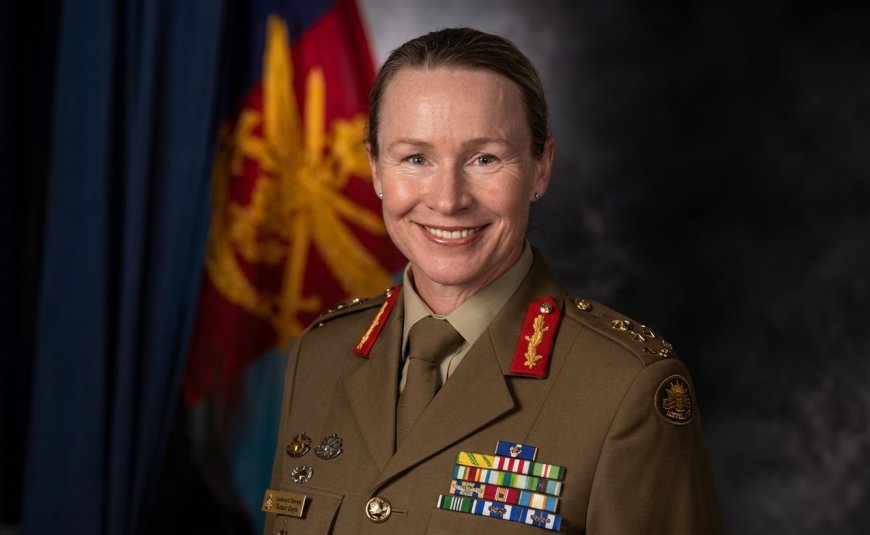
History is being made in Canberra today as the federal government officially tapped Lieutenant General Susan Coyle to become the first female Chief of Army in Australia’s history. It’s a massive shake-up for the Australian Defence Force (ADF) that has people across the country talking, especially as it comes alongside a broader reshuffle of the entire military brass. Word is spreading fast that this isn't just a symbolic nod to diversity, but a tactical move to bring in one of the most experienced operational minds at a time when regional tensions are through the roof.
The announcement that Coyle will replace Lieutenant General Simon Stuart as the new leader of the joint operations command in July details how she will take over active command of the organisation. According to The Guardian, Coyle's prior successes in serving as the Chief of Joint Capabilities were instrumental in demonstrating her ability to perform under pressure in the contemporary environment of military logistics that involves high-risk, high-reward activities. From what folks close to the Defence Department are saying, Coyle has been a "rising star" for years, and her promotion is being seen as a win for a military that’s been trying to modernize its culture. It’s the latest development making the rounds in veteran circles, and the idea that a woman is finally leading the ground forces is gaining traction as a sign of a new era for the ADF.
This whole thing is playing out over a century after the Australian Army was first formed, a timeline where women were long restricted to nursing or support roles. For decades, the path to the top was a strictly "boys only" club, but that started shifting as women were finally allowed into frontline combat roles about ten years ago. Coyle herself has been grinding through the ranks for over 30 years, serving in spots like Afghanistan and the Solomon Islands, which gave her the battle-hardened resume needed to command respect from the rank and file. It brings back memories of when the first women were allowed into the Royal Military College, Duntroon, back in the 80s.
The possible future outcomes of this move look pretty significant for the military's recruitment and strategy. If Coyle can successfully navigate the current "National Defence" shift toward long-range strike capabilities, she might just prove that a different kind of leadership is exactly what the Army needs to stay relevant.
Stay updated with the latest news here.