Lebanon Enters Talks With Israel, Hezbollah Urges Lebanon to Pull Back
Lebanese and Israeli ambassadors are meeting in Washington for direct talks, while Hezbollah leader Naim Qassem urges Lebanon to pull back.
 Abdul Raheem Qaisar
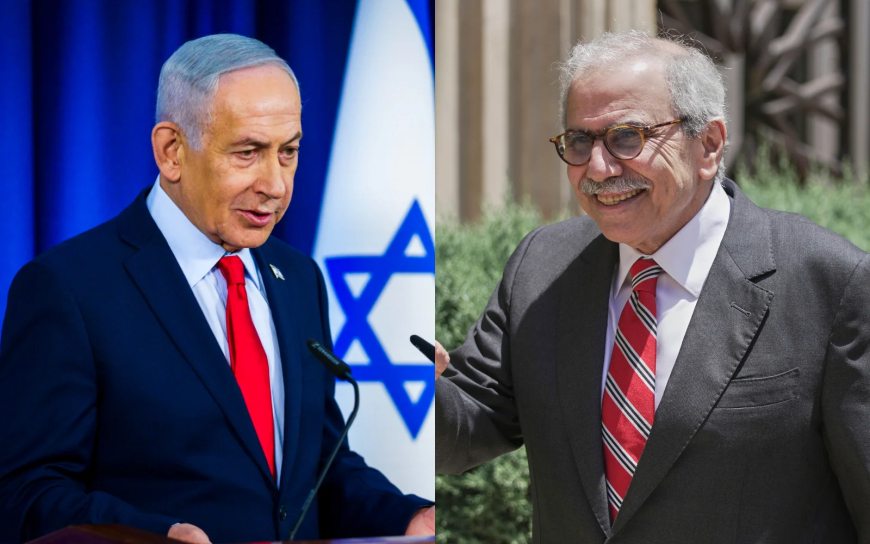
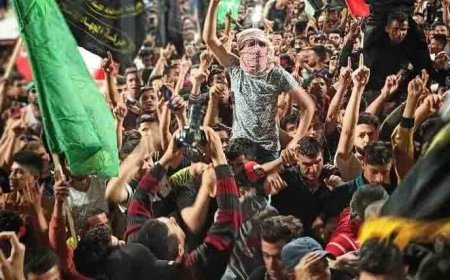
The thin hope for a quick end to the fighting in southern Lebanon has been rocked this morning as Lebanese and Israeli ambassadors finally sit down for direct talks in Washington. This rare face-to-face meeting at the U.S. State Department is happening right now under American mediation, the first of its kind in decades. Hours earlier, Hezbollah’s acting leader Naim Qassem delivered a fiery televised speech demanding that Lebanon pull back and scrap the whole thing, reported by Al Jazeera. He called the planned session pointless and a “free concession” to Israel and the United States.
The atmosphere in Washington turned tense late Monday when it became clear the meeting would go ahead anyway. Naim Qassem slammed the talks as futile and warned they were nothing more than a ploy to pressure Hezbollah into laying down its weapons. “We reject negotiations with the usurping Israeli entity,” he said. “We call for a historic and heroic stance by canceling this negotiating meeting.” Lebanese officials, however, insist the session is a vital step toward a ceasefire and an Israeli withdrawal from the south. A senior Hezbollah figure quickly added that the group will not abide by any agreements that come out of Washington. Details are still trickling out, but the U.S. is pushing hard for at least a framework deal while both sides remain far apart on the big issues.
This is the first time since the beginning of the 1980s that representatives from both Lebanon & Israel have participated in direct talks with one another. After the Israeli invasion of southern Lebanon, Hezbollah formed and began to operate as a guerrilla group carrying out armed opposition against Israeli troops in this area. There was an extensive military confrontation between Israel & Lebanon in 2006, resulting in a tenuous peace agreement reached with the assistance of the United Nations. However, fighting has continued to either be ongoing or to resume between these two countries. This most recent round of violence began in March 2026 with small scale skirmishes along the border and escalated into full-fledged military conflicts, causing thousands of people on both sides of the border to die or be displaced from their homes.
As the negotiations continue, the future of the region seems to have gotten much less clear. It is because of the divisions within Lebanon's borders. If the negotiators can come up with even a very basic agreement for a ceasefire, it might allow Israel to withdraw from southern Lebanon. It will provide Beirut with some breathing room. Within the next couple of hours, it will be clearer whether taking a chance on these negotiations will help relieve some of the burden of an inflamed conflict or only add more fuel to that fire.
Stay updated with the latest news here.