Beijing Mediates Fragile Pakistan-Afghanistan Peace
High-stakes talks in Xinjiang see both sides agree to pull back from the brink of war; terrorism remains the core hurdle in this Chinese-led process.
 Abdul Raheem Qaisar
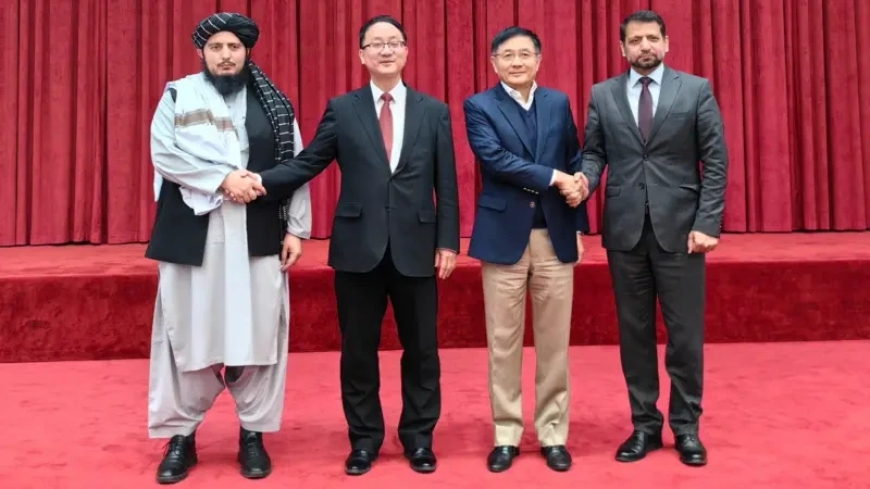
Fresh word is blowing up that the week-long marathon of secret talks in Urumqi might have actually worked. According to BBC Urdu, Pakistan and Afghanistan finally agreed to a de-escalation policy to stop their border from turning into a full-blown war zone.
According to reports coming out of the Xinjiang region, Chinese mediators managed to get both sides to pipe down after weeks of heavy cross-border shelling and the total shutdown of trade routes. From what folks close to the negotiations are saying, the main win here is a "no escalation" pact, meaning both militaries have to hold their fire while diplomats try to figure out a real way forward. It’s the latest development making the rounds in regional security circles, even if no one is ready to sign a final, ironclad treaty just yet. The idea is to get things back to some version of normalcy before the local economies completely tank from the border blockades.
Details are still trickling out about what went down behind closed doors, but it’s clear China put the squeeze on both neighbors to address the "core issue" of terrorism. Beijing is reportedly fed up with the chaos and voiced its own loud concerns about Uyghur militants hiding in the lawless gaps between the two countries. Pakistan stuck to its guns, blaming the Afghan side for harboring TTP fighters who’ve been hitting Pakistani targets, while the Taliban leadership kept denying everything. Despite putting blame on each other, both Pakistan and Afghanistan have agreed to a "comprehensive solution" framework. This basically means they will keep talking about border security and militant hideouts in future sessions instead of shooting at each other.
Officials are being careful not to overpromise, but they’re calling the Urumqi Process a vital first step. "Both nations have expressed deep appreciation for China’s role as a fair mediator," a source familiar with the talks mentioned yesterday. It brings back memories of past failed truces, but with China’s economic weight now fully behind the push, there’s a feeling this might actually stick. If the Islamabad talks between the U.S. and Iran also hold this Friday, this could be the start of a much-needed breather for a region that’s been on the edge for far too long.
Stay updated with the latest news here.