Court Denies Mosque Shooter’s Appeal in New Zealand
New Zealand's Court of Appeal has rejected a bid by the Christchurch mosque gunman to challenge his convictions, labeling the move as devoid of merit.
 Abdul Raheem Qaisar
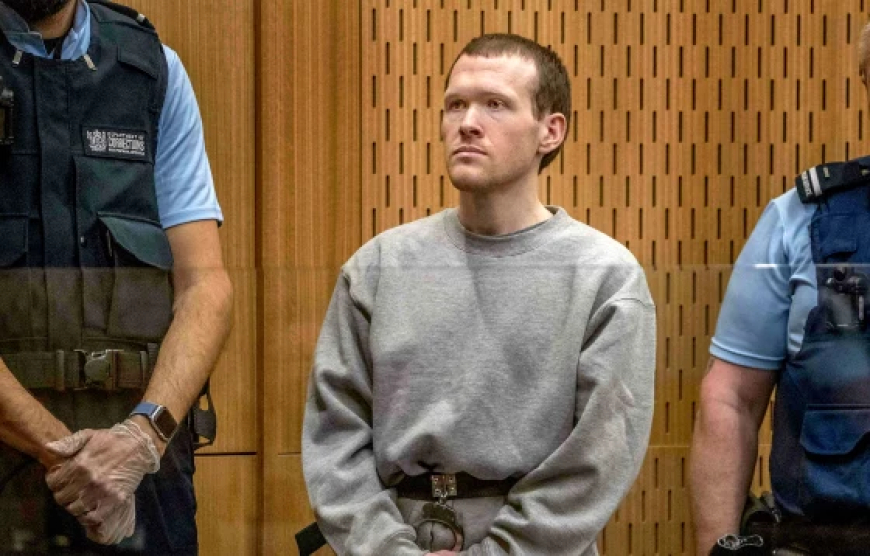
The final act of New Zealand's largest mass shooting case comes to a close today with the dismissal by a Court of Appeal panel of the shooter’s appeal. The Court in Wellington has confirmed all three judges have concurred in their opinion that the shooter did not provide any valid argument to establish an invalid defence recognized by existing law. Although the individual attempted to withdraw his guilty plea on the basis of his mental capacity at the time of the shooting, the Court found that he was attempting to mislead the system of justice in a very unsubstantiated way in order to avoid serving and appeal a sentence via the establishment of a new trial. The decision further provides enormous relief to survivors and to the families of the deceased as the majority of both groups would be subject to the trauma and emotional toll of having to go through an extensive and very public trial regarding the events of March 2019.
Recent reports have detailed the court's findings regarding the shooter’s allegations of mistreatment while held at Auckland Prison. According to the Dawn, the convict claimed he was subjected to "inhumane" confinement conditions and psychological pressure from staff. These "mental games," he argued, resulted in a state of "near insanity" prior to his 2020 guilty plea.
Ultimately, the judges found that the shooter’s testimony regarding his treatment was not credible in comparison to the observations of the correctional officers, medical personnel, and his own attorney during his trial. Those close to the situation say that the primary purpose of the appeal was to exploit technicality in law; however, during examining the testimony provided by the shooter and the other evidence, the court found that the shooter’s decision to enter his guilty plea was made in a clear & rational manner after obtaining counsel’s advice. With this ruling from the judges, the shooter will remain incarcerated for the entirety of his life without a possibility of recourse from the law.
Though he had admitted guilt years earlier, the perpetrator waited an additional 500 business days beyond the legal limit to lodge this late-stage appeal. This appeal has instigated a procedural battle that has lasted over 3 years and has been a significant source of emotional collapse and abuse of the justice system by the Muslim community in New Zealand at the time of this appeal, and its staging as a "live case" has been a self-serving attempt by the shooter to keep his name in the news and get notoriety.
Officials are weighing what may happen to the shooter now that all of their legal options seem nearly exhausted, according to legal experts. If convicted, he is likely to be denied access to an appeal to the U.S. Supreme Court for lack of merit and similar written rulings from the lower courts. Should he choose to accept this finality, then the focus of the Christchurch community will shift to the long-term healing and memorialization of the victims from the shooting, free from the possibility of another trial for the shooter. As a result of this event, there will likely be a comprehensive re-evaluation of how high-profile terrorists are incarcerated to prevent future allegations of misconduct. Many families and survivors throughout the country are hopeful that this will be the last time that the shooter will be visible to the public.
Stay updated with the latest news here.