Iran Protests Slow After Deadly Crackdown, Heavy Security Remains
Major protests in Iran have slowed after a deadly security crackdown, according to residents and rights groups.
 Abdul Raheem Qaisar
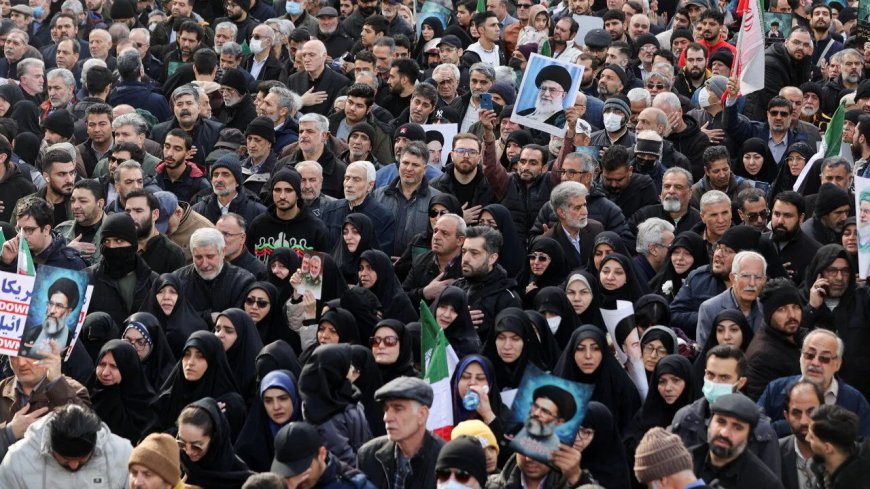
Iran’s biggest protest movement in years has largely died down in major cities after a harsh crackdown by security forces, residents and human rights groups say. However, a strong security presence and growing anger suggest the situation remains fragile.
The protests began on December 28, driven by rising inflation, job losses and economic pressure. What started as rallies over living costs quickly turned into wider protests against Iran’s ruling clerical system, in place since the 1979 Islamic Revolution. In recent days, however, streets in Tehran and other northern cities have been mostly quiet. Residents report no major gatherings, but say security forces are everywhere, with checkpoints, patrols and even drones in the sky.
Norway-based rights group Hengaw said there have been no large protest rallies since Sunday. Still, it warned that conditions remain “highly restrictive.” According to the group, security forces and military units have been deployed heavily across major cities and even in areas that had not seen protests before.
The drop in street protests comes as reports of deaths and arrests continue to grow. U.S.-based rights group HRANA estimates that more than 2,600 people have been killed so far, including protesters and some security personnel. This figure is far higher than official numbers. Videos shared online and verified by Reuters appear to show bodies at a medical facility in Tehran, though details about when and how they were filmed remain unclear. (The Express Tribune)
Personal stories are also emerging as internet access slowly returns. One woman in Tehran said her 15-year-old daughter was killed after taking part in a protest, highlighting the human cost of the crackdown.
International concern has increased. U.S. President Donald Trump told reporters he had been informed that the killings were slowing, easing fears of immediate military action. However, Washington warned it would respond if violence escalates again. Saudi Arabia and Qatar reportedly held urgent talks with the U.S., cautioning that any strike on Iran could destabilize the entire region.
Meanwhile, Reza Pahlavi, the U.S.-based son of Iran’s last shah, has urged stronger international pressure on Tehran and called on Iranians to continue protesting. His influence inside Iran remains uncertain.
For now, the protests have faded, but with heavy security on the streets and deep public anger, rights groups warn the calm may not last.
Stay updated with the latest news here.