Pakistani Hip Hop From Underground Roots to a National Movement
Explore the rise of Pakistani hip hop, from Bohemia’s pioneering Punjabi rap to Young Stunners and modern artists shaping a national cultural movement.
 Ayesha Mir
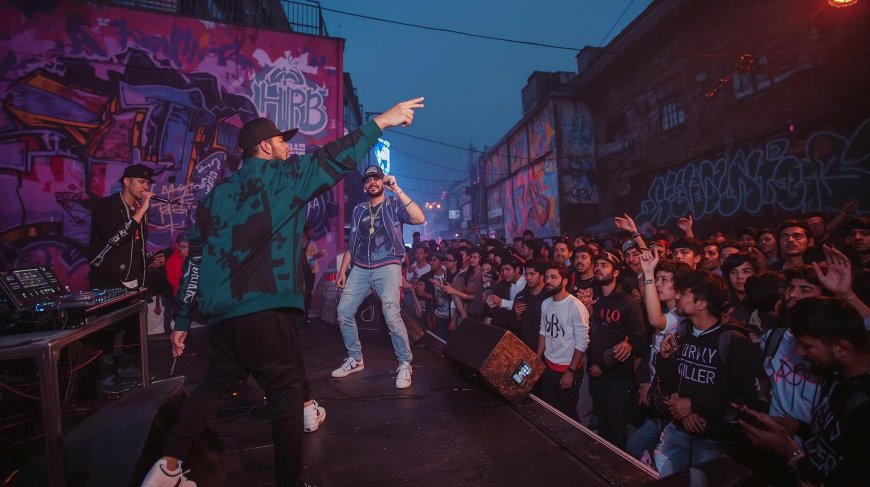
Hip hop originated in African-American communities in the United States in the early 1970s. Over the decades, it spread across the world and evolved into one of the most influential and popular cultural movements of modern times. Today, hip hop is not just music it is a culture, a lifestyle, and a form of self-expression. Unfortunately, many people limit hip hop to just rapping, but that is far from the truth. Rap is only one element. Hip hop also encompasses DJing, breakdancing (b-boying), graffiti, beatmaking, and fashion, representing storytelling, resistance, identity, and cultural expression.
As hip hop became a global phenomenon, its influence naturally reached Pakistan. Its impact can be seen in the country’s youth culture, music, media, fashion, language, and even digital trends. Pakistani hip hop did not appear overnight; it grew slowly, shaped by pioneers and enthusiasts who carried the movement forward despite limited resources, societal skepticism, and a lack of mainstream acceptance in its early years.
The Pioneer: Bohemia and the Birth of Desi Hip Hop
The real beginning of Desi and Pakistani hip hop is often traced back to Roger David, better known by his stage name Bohemia. Born in Pakistan and raised in California, Bohemia introduced Punjabi rap to South Asian audiences with a fresh and authentic approach. His tracks, blending traditional Punjabi language and modern hip hop beats, opened doors for an entirely new genre and culture in Pakistan.
Bohemia’s work is widely recognized as the foundation of Desi hip hop. His storytelling style resonated with youth facing similar cultural challenges balancing tradition with modernity, dealing with societal pressures, and expressing identity through art. Bohemia proved that rap could exist in South Asia while staying authentic to its roots. His influence inspired countless artists to pick up the mic and express their stories in their own voices.
Early Contributors and the Underground Scene
Alongside Bohemia, several artists played a crucial role in laying the groundwork for Pakistani hip hop. Names like Xpolymer Dar, Guru Lahori, Faris Shafi, Ghauri, OCL, Fortitude Pukhtoon Core, Ali Gul Pir, Lodhi, Zack Knight, Kamal Raja, Imran Khan and Adil Omar became synonymous with underground rap during the 2000s. These artists helped keep the culture alive at a time when rap was still considered unconventional, and in some circles, even controversial in Pakistan.
In cities like Karachi, Lahore, and Islamabad, underground rap collectives and informal gatherings were the lifeblood of the movement. They hosted small concerts, rap cyphers, and battles in basements, small auditoriums, and cultural spaces. While media coverage was minimal, these spaces allowed artists to sharpen their craft, connect with like-minded peers, and develop a sense of community.
These early contributions were not just about music; they were about creating a cultural identity, an avenue for youth to challenge societal norms, discuss social issues, and reclaim a voice in a country undergoing rapid urbanization and cultural change.
The Young Stunners Era: Modernizing Pakistani Hip Hop
The 2010s marked a new phase for Pakistani hip hop. A Karachi based collective called Young Stunners, consisting of Talha Anjum, Talha Yunus, and producer Jokhay, became one of the most influential forces in modern Pakistani rap. Their polished production, relatable lyrics, and digital-savvy approach helped Pakistani rap break into mainstream consciousness.
Young Stunners’ tracks combined local slang, modern beats, and stories reflecting the lives of Pakistani youth. They addressed everyday struggles relationships, societal pressures, ambition, and urban life while maintaining an authentic hip hop ethos. Their rise coincided with YouTube and social media platforms becoming critical tools for music distribution, allowing them to reach audiences nationwide without traditional media backing.
Alongside Young Stunners, other artists such as Chen-K, Sunny Khan Durrani, Big H (Hashim Ishaq), M. ZHE, Raamis, Rap Demon, JJ47, Mr. Mani, Lil Muslim, Soul Kid, Dj Abdur, Moji, Shamoon ismail, Farasat Anees, Ghauri, Toshi, Young Desi, Faris Shafi, and many others contributed significantly to the growing scene, creating a diverse soundscape that blended regional languages, English phrases, and personal storytelling.
The Expansion Across Pakistan
As the scene grew, more rappers emerged, each bringing their own stories, accents, and realities into the culture. Names like Aqeel Sarfaraz, Hashim Nawaz, Fadi, Hamzee, Waahid, Inqilab, Eve-B, Nabeel Akbar, Jani, Umer Anjum, Marrij, and ZAS began strengthening the movement, building a nationwide rap identity.
In the early days, platforms were limited. Rap battles held across Pakistan, many supported by the They See Battle League YouTube channel, were crucial for connecting artists across cities. Created by the legendary rap group Rap Engineers, including Xpolymer Dar, these battles sharpened skills, tested creativity, and built a community. Fans would gather to witness lyrical duels, while aspiring rappers learned the art of performance, improvisation, and stage presence.
By around 2016, Pakistani hip hop had gained serious momentum. Rap started booming across the country, and a new wave of artists entered the spotlight, including Zeruu, Shuja Shah, Maazi, AK-SKY and others. Meanwhile, artists from smaller cities began representing their regions, becoming the first hip hop voices of towns outside the major urban centers. One prominent example is Shah Mir, the first recognized hip hop artist from Dera Ismail Khan (D.I. Khan), proving that Pakistani hip hop was no longer limited to Karachi, Lahore, or Islamabad.
Pakistani Hip Hop and Regional Diversity
One of the most exciting aspects of Pakistani hip hop is its regional diversity. Artists from Sindh, Punjab, Khyber Pakhtunkhwa, and Balochistan bring local languages, slang, and stories into their music.
For instance:
-
Punjabi rap often blends traditional rhythms and rural storytelling with urban beats.
-
Sindhi and Balochi rap explores regional identity, culture, and socio-political struggles.
-
Pashto rap adds energetic flow and folk influence, creating a unique fusion that resonates with local youth.
This diversity not only enriches the music but also highlights Pakistan’s multifaceted culture, showing that hip hop can be a bridge across languages, regions, and communities.
Hip Hop as a Voice for Youth and Social Change
Hip hop in Pakistan is more than entertainment it is a platform for commentary on social issues, inequality, and personal struggles. Rappers address topics like:
-
Urban poverty and class disparity
-
Political frustration and corruption
-
Cultural identity and generational conflicts
-
Mental health and youth aspirations
Artists like Chen-K, Sunny Khan Durrani, Iqbal, Inqilab and Shah Mir have been vocal about social realities in their lyrics, using hip hop as a medium for expression, protest, and awareness. The genre allows youth to articulate their frustrations and hopes in a format that resonates across generations.
Digital Platforms and the Rise of Independent Artists
The digital era has revolutionized Pakistani hip hop. Platforms like YouTube, Instagram, Spotify, and TikTok have enabled independent artists to produce, distribute, and promote their music without relying on traditional record labels. This democratization has encouraged creativity and experimentation, leading to a surge in diverse sounds and collaborations.
Independent artists can now connect directly with fans, receive feedback, and build communities around their music. The result is a thriving ecosystem where talent is recognized on merit, and underground artists can achieve mainstream success.
Collaborations and Fusion with Other Genres
Modern Pakistani hip hop often merges with other genres such as pop, EDM, rock, and classical South Asian music. Collaborations between rappers and traditional musicians create innovative sounds, attracting wider audiences. Examples include mixing Punjabi rap with Sufi instruments, incorporating electronic beats into Urdu rap, and fusing Western trap elements with local storytelling.
These collaborations have expanded the appeal of hip hop, making it accessible to listeners who might not have engaged with rap previously, while preserving its authenticity and cultural roots.
The Challenges Facing Pakistani Hip Hop
Despite its growth, Pakistani hip hop still faces challenges:
-
Limited mainstream acceptance: Some audiences still view rap as niche or rebellious.
-
Piracy and monetization issues: Independent artists struggle to earn sustainable incomes.
-
Infrastructure and training: Lack of proper studios, mentors, and production resources can hinder growth.
However, the scene’s resilience, creativity, and adaptability have allowed it to flourish, overcoming obstacles with innovation and determination.
The Future of Pakistani Hip Hop
The future of Pakistani hip hop looks promising. With digital access, global exposure, and growing youth engagement, the genre is set to continue evolving. Artists are now more confident in blending languages, styles, and narratives, resulting in a vibrant and diverse hip hop culture.
We can expect:
-
Increased collaboration with international artists
-
Growth in hip hop festivals and live performances
-
More representation from smaller towns and regions
-
Innovative fusions with traditional Pakistani music
Pakistani hip hop has matured from its underground roots into a national movement, giving voice to youth, bridging regional divides, and creating a cultural identity that is distinctly Pakistani yet globally connected.
Conclusion
Pakistani hip hop is more than just a musical trend it is a cultural phenomenon. From Bohemia’s pioneering Punjabi rap to Young Stunners’ mainstream success and the growing wave of independent artists, the movement has transformed the musical landscape of Pakistan. It celebrates diversity, encourages self-expression, and provides a platform for addressing social realities.
As it continues to evolve, Pakistani hip hop will likely shape the country’s youth culture for years to come, bridging traditional heritage with modern influences and inspiring a generation to tell their stories through rhythm, rhyme, and creativity.