
The Evolution of Pakistani Street Food: From Tradition to Modern Twists
Discover the journey of Pakistani street food from classic roadside snacks to innovative culinary creations shaping modern food culture.
 Admin
Admin
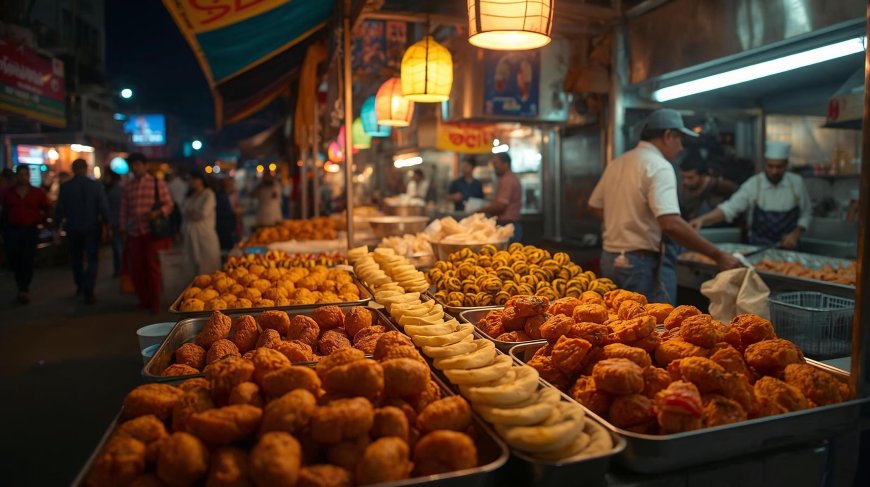
Pakistani street food is more than just a culinary delight it is a vibrant expression of the country’s culture, history, and creativity. From bustling city streets to small-town corners, the aroma of sizzling snacks, the colorful displays of fresh ingredients, and the chatter of locals create an unforgettable experience. Street food has always been an integral part of Pakistani life, serving as both a daily necessity and a source of joy. Over the years, it has evolved, blending tradition with modern innovation, and continues to be an essential element of the nation’s culinary identity.
A Taste of Tradition
Street food in Pakistan has deep roots. Generations have passed down recipes for gol gappay (pani puri), chaat, pakoras, samosas, jalebi, and bun kebabs. These dishes were simple, affordable, and packed with flavor.
The beauty of traditional street food lies in its simplicity and accessibility. A plate of spicy pakoras during the rainy season or a sweet jalebi after a long day brings comfort, nostalgia, and satisfaction. These snacks were made from locally sourced ingredients, reflecting the agricultural and culinary heritage of the region.
Regional Specialties and Flavors
Each region in Pakistan offers unique street food experiences:
-
Lahore: Known as the food capital of Pakistan, Lahore boasts a variety of street food options. From spicy bun kebabs and chicken tikka to gol gappay, the streets of Lahore are alive with aroma and flavor. Food streets like Gawalmandi and Anarkali attract locals and tourists alike, serving authentic tastes that have been perfected over decades.
-
Karachi: Karachi’s street food scene is eclectic and diverse, reflecting the city’s cosmopolitan population. Nihari rolls, biryani wraps, fried fish, and chaat are some of the must-try dishes. The fusion of flavors and the mix of regional cuisines make Karachi’s street food truly unique.
-
Islamabad & Rawalpindi: These twin cities are famous for chicken malai tikka, fruit chaat, and roadside kebabs. The focus here is often on freshness and presentation, and the street food scene caters to both traditional tastes and modern demands.
-
Other Cities: From Peshawar’s Chapli kebabs to Dera Ismail Khan Soobat & Multan's Sohan Halwa, every city adds its own twist to the street food narrative, highlighting the rich diversity of Pakistani cuisine.
The Ingredients of Culture
Street food is not just about taste; it is a reflection of Pakistan’s social and cultural fabric. A plate of chaat shared among friends, a vendor preparing pakoras for the evening crowd, or families enjoying jalebi and samosas during festivals all demonstrate how food fosters connection.
For many Pakistanis, street food is tied to memories and traditions Eid celebrations, Ramadan iftar gatherings, wedding functions, and local fairs often revolve around these snacks. The cultural significance of street food is intertwined with daily life, celebrations, and social interactions.
Modern Innovations and Fusion Trends
In recent years, Pakistani street food has evolved. Modern chefs and entrepreneurs are experimenting with fusion recipes, combining traditional flavors with global culinary trends. The results are creative, flavorful, and often Instagram worthy:
-
Gol Gappay with cheese or flavored water
-
Shawarma rolls with local chutneys
-
Fusion desserts like chocolate-covered jalebi or nut-studded chaat
-
Healthy options like grilled kebabs with quinoa or salads
Social media and food apps have played a huge role in popularizing these innovations. Platforms like Instagram and TikTok showcase street food trends, turning local favorites into viral sensations. Food delivery apps have also brought street food into homes, expanding access while preserving authenticity.
The Rise of Food Festivals and Street Food Culture
Pakistan has seen a rise in street food festivals across major cities. These festivals celebrate local cuisine, encourage culinary creativity, and provide a platform for vendors to showcase their specialties. Examples include Lahore Food Festival, Karachi Eat Fest, and local Ramadan food bazaars.
Such events highlight the evolution of street food from simple roadside snacks to an organized, celebrated part of the food industry. Vendors now experiment with flavors, presentation, and branding, catering to both traditional tastes and modern aesthetics.
Health and Hygiene: A Growing Focus
With modernization, there is also increasing awareness about health and hygiene. Many vendors are adopting cleaner cooking practices, using fresh ingredients, and introducing healthier versions of traditional snacks. Grilled or baked alternatives to fried foods, organic ingredients, and reduced oil usage are becoming more common.
This shift not only improves safety but also attracts a wider audience, including health-conscious millennials and families, without compromising the authentic flavors that make Pakistani street food so beloved.
Street Food as a Tourism Magnet
Street food has become an essential part of Pakistan’s culinary tourism. Travelers seek authentic experiences, and local snacks offer a direct taste of culture and tradition. From tasting spicy Lahori chaat to enjoying Karachi’s biryani wraps, food tourism promotes local economies and preserves culinary heritage.
Guided food tours, local food bloggers, and international recognition are helping street food vendors gain popularity beyond their neighborhoods, turning small stalls into iconic brands.
Challenges and Opportunities
Despite its popularity, the street food sector faces challenges:
-
Infrastructure and sanitation issues
-
Consistency in quality
-
Competition from restaurants and fast-food chains
However, opportunities are abundant. Street food entrepreneurs can leverage digital marketing, online delivery, and food festivals to expand their reach. Fusion cuisine, innovative packaging, and storytelling around food culture can transform traditional street food stalls into successful small businesses.
The Future of Pakistani Street Food
The evolution of Pakistani street food represents a dynamic journey one that honors tradition while embracing innovation. With growing food tourism, digital platforms, and creative entrepreneurship, street food is poised to continue evolving.
The streets of Lahore, Karachi, Islamabad, and beyond will continue to serve not just snacks but experiences flavors that connect generations, tell stories of culture, and bring communities together. From the classic gol gappay to trendy fusion rolls, Pakistani street food is a living, evolving celebration of taste, tradition, and creativity.
In every bite, there’s a story a story of heritage, innovation, and the vibrant spirit of Pakistan.