UAE Formally Exits OPEC Alliance
The United Arab Emirates has officially ended its 59-year membership in OPEC to pursue independent production goals amid rising regional tensions.
 Abdul Raheem Qaisar
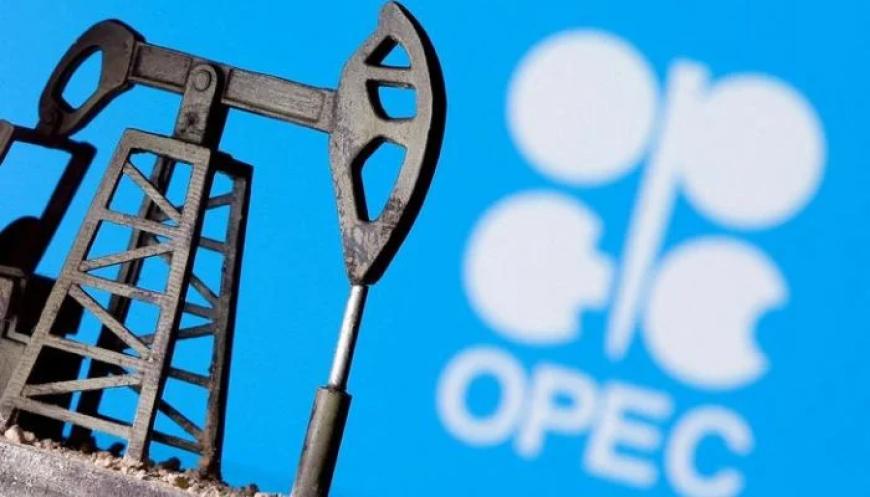
The global energy landscape is shifting today following the seismic announcement that the United Arab Emirates will officially withdraw from OPEC and the OPEC+ alliance effective May 1. The latest developments from Abu Dhabi characterize the move as a "sovereign national decision" designed to grant the country full autonomy over its vast petroleum resources. While the departure ends nearly six decades of cooperation, word is spreading that the decision was accelerated by long-standing frustrations over production quotas that have capped the UAE’s multi-billion dollar investment in new capacity. This exit comes at a precarious time for the global economy, as officials confirm the move is also tied to a lack of collective security support during the ongoing regional conflict that has hampered energy exports through the Strait of Hormuz.
Details are trickling out about the strategic pivot that will allow the UAE to monetize its oil reserves at a much faster pace than allowed under the cartel's restrictive regime. According to analysts at Goldman Sachs, the UAE has felt "hamstrung" by Saudi-led production cuts while it simultaneously expanded its infrastructure to produce over five million barrels per day. According to the Dawn, in an interview with CNBC on Tuesday, Energy Minister Suhail Al Mazrouei explained that the UAE strategically timed its departure to minimize the impact on other OPEC members. He noted that the move is intended to provide the nation with the autonomy to manage its own output and successfully hit its production target of 5 million barrels per day by 2027.
The primary goal is to achieve total fiscal flexibility as the nation transitions toward its "2050 Net Zero" targets by frontloading oil revenues now. This is a high-stakes development that effectively ends the unified front of the world’s most powerful oil bloc, putting the UAE in a direct competitive position with its neighbors. The move is expected to trigger immediate market volatility as traders recalibrate supply expectations in a post-OPEC environment for the Emirates.
The current situation has a long history of friction within the organization, particularly as the UAE emerged as a global financial and logistics hub with interests that often diverged from the traditional petro-state model. It recalls the 2019 departure of Qatar and the more recent exit of Angola, both of which signaled a growing dissatisfaction with the dominance of larger producers over smaller sovereign interests. For decades, the UAE was seen as a reliable "silent partner" to Saudi Arabia, but the relationship has been strained by competing visions for the region’s economic future and recent security failures. This event is a timely wake-up call to the global supply chain that the era of a monolithic oil cartel capable of dictating prices through iron-clad unity may officially be coming to an end.
Officials are now weighing the possible future outcomes of a market where one of the world's most efficient producers operates as a "free agent." If the UAE successfully ramps up its independent output, it could lead to significantly lower petrol prices in the long term, potentially undermining the revenue models of other OPEC nations. However, should the regional conflict persist, the UAE's next plan involves bypassing traditional shipping lanes through new pipeline networks to ensure they remain a "responsible and reliable" global supplier. This incident will probably lead to a total security assessment of the remaining OPEC members, as they struggle to maintain their relevance in an increasingly fragmented energy market. Families and businesses around the world remain hopeful that this shift leads to more stable and affordable energy costs in the coming years.
Stay updated with the latest news here.